Introduction
Nestled in the foothills of southern Bhutan, Royal Manas National Park is one of the country’s most treasured natural attractions. Covering more than 1,000 square kilometers, it is Bhutan’s oldest national park and one of the richest biodiversity hotspots in the Eastern Himalayas. With dense subtropical forests, winding rivers, and diverse wildlife, the park offers an unforgettable experience for nature lovers, birdwatchers, photographers, and adventure seekers.
Unlike many popular tourist destinations that attract large crowds, Royal Manas National Park remains peaceful and relatively untouched. Its pristine environment allows visitors to experience Bhutan’s commitment to conservation while exploring one of South Asia’s most ecologically significant protected areas.
The park is home to hundreds of bird species, rare mammals, colorful butterflies, and unique plant life, making it a must-visit destination for anyone interested in wildlife and sustainable travel.
Origin
Royal Manas National Park has a long and fascinating history. It was first established in 1966 as Manas Wildlife Sanctuary, making it Bhutan’s oldest protected area. Over the years, its importance for biodiversity conservation became increasingly recognized, and the protected area was expanded and officially designated as Royal Manas National Park.
The park forms part of the larger Manas Conservation Area, connecting with India’s Manas National Park in Assam. This cross-border ecosystem allows wildlife to move freely between the two countries, creating one of the most important conservation landscapes in the Himalayan region.
Today, Royal Manas National Park serves as a model for international conservation cooperation while protecting countless endangered species.
Why Was the Park Created?
The primary purpose of establishing Royal Manas National Park was to protect Bhutan’s exceptional biodiversity and preserve its fragile ecosystems for future generations.
The park helps to:
- Conserve endangered wildlife species.
- Protect subtropical forests and river ecosystems.
- Preserve important migration routes for animals.
- Support scientific research and environmental education.
- Promote responsible and sustainable tourism.
- Provide livelihoods for nearby communities through conservation-friendly initiatives.
Rather than focusing on mass tourism, Bhutan encourages visitors to appreciate the park responsibly while respecting its wildlife and natural habitats.
Historical Significance
Royal Manas National Park has played a crucial role in Bhutan’s environmental conservation efforts for decades. As awareness of climate change and biodiversity loss has grown worldwide, the park has become an important example of how conservation and tourism can work together.
Its forests protect valuable watersheds, store large amounts of carbon, and provide habitat for numerous endangered species. Through careful management, community participation, and strict environmental policies, Bhutan has successfully preserved this remarkable landscape while allowing visitors to experience its natural beauty in a sustainable way.
Wildlife and Biodiversity
Royal Manas National Park is often called the biodiversity hotspot of Bhutan because of its extraordinary variety of plants and animals. Located where the Himalayan mountains meet the subtropical plains, the park supports a wide range of ecosystems that provide ideal habitats for countless species.
More than 65 species of mammals, over 360 species of birds, and hundreds of butterflies, reptiles, amphibians, and fish have been recorded within the park. Many of these species are rare, endangered, or found only in this part of the world.
Some of the remarkable mammals that call the park home include:
- Bengal Tiger
- Asian Elephant
- Clouded Leopard
- Golden Langur
- Gaur (Indian Bison)
- Himalayan Black Bear
- Leopard
- Wild Boar
- Sambar Deer
- Barking Deer
The presence of these animals highlights the park’s importance as one of South Asia’s most valuable conservation areas.
A Paradise for Birdwatchers
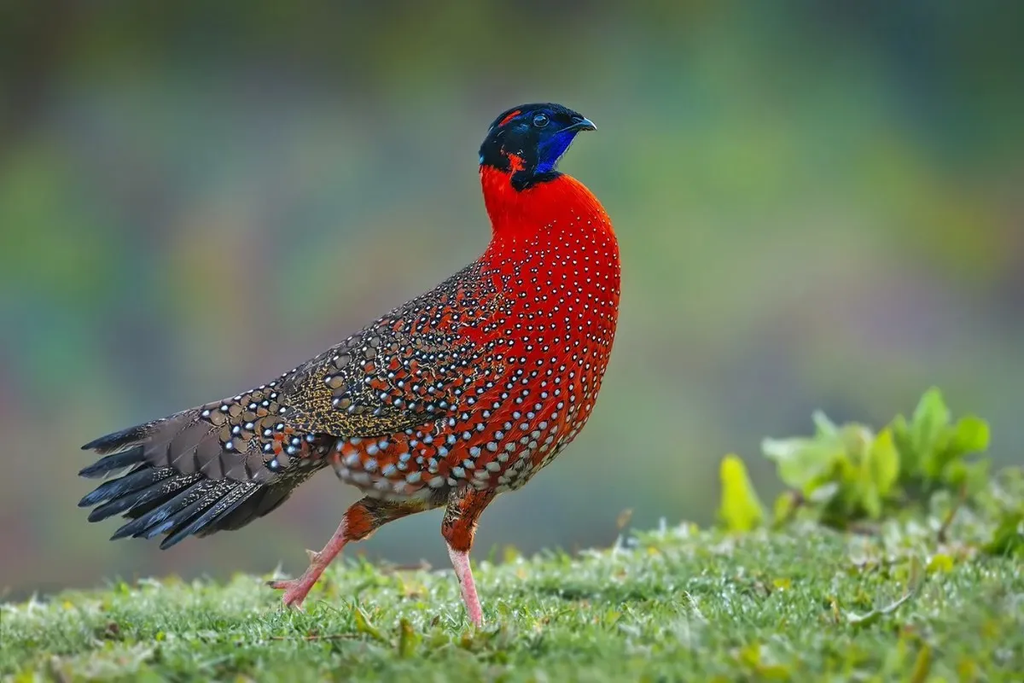
Royal Manas National Park is equally famous for its incredible birdlife. Dense forests, rivers, wetlands, and grasslands create ideal habitats for hundreds of resident and migratory bird species, making it one of Bhutan’s premier birdwatching destinations.
Visitors may have the chance to spot:
- Great Hornbill
- Rufous-necked Hornbill
- Wreathed Hornbill
- White-bellied Heron
- Scarlet Minivet
- Crested Kingfisher
- Black Eagle
- Himalayan Bulbul
- Green Magpie
- Various species of woodpeckers and barbets
For bird enthusiasts hoping to observe these remarkable species in their natural habitat, a Bhutan Birding Tour provides an excellent opportunity to explore Royal Manas National Park with experienced local guides who understand the region’s diverse ecosystems and seasonal bird activity.
Early mornings are generally the best time for birdwatching, when the forests come alive with birdsong and wildlife is most active.
Rich Plant Life
Royal Manas National Park is home to an astonishing variety of vegetation. Its changing elevation and climate support everything from tropical forests to temperate woodlands.
Visitors can discover:
- Towering evergreen forests
- Bamboo groves
- Wild orchids
- Rhododendrons
- Medicinal herbs
- Ferns and mosses
- Flowering shrubs
- Riverbank vegetation
These diverse plant communities not only create breathtaking scenery but also provide food and shelter for the park’s wildlife.
Things to Do in Royal Manas National Park
Whether you’re an adventure seeker, wildlife photographer, or nature lover, Royal Manas National Park offers unforgettable outdoor experiences. Popular activities include:
Wildlife Safaris
Guided safaris provide opportunities to observe mammals, birds, and reptiles while learning about Bhutan’s conservation efforts.
Birdwatching
With hundreds of bird species, the park is considered one of the finest birdwatching destinations in the Himalayas.
Photography
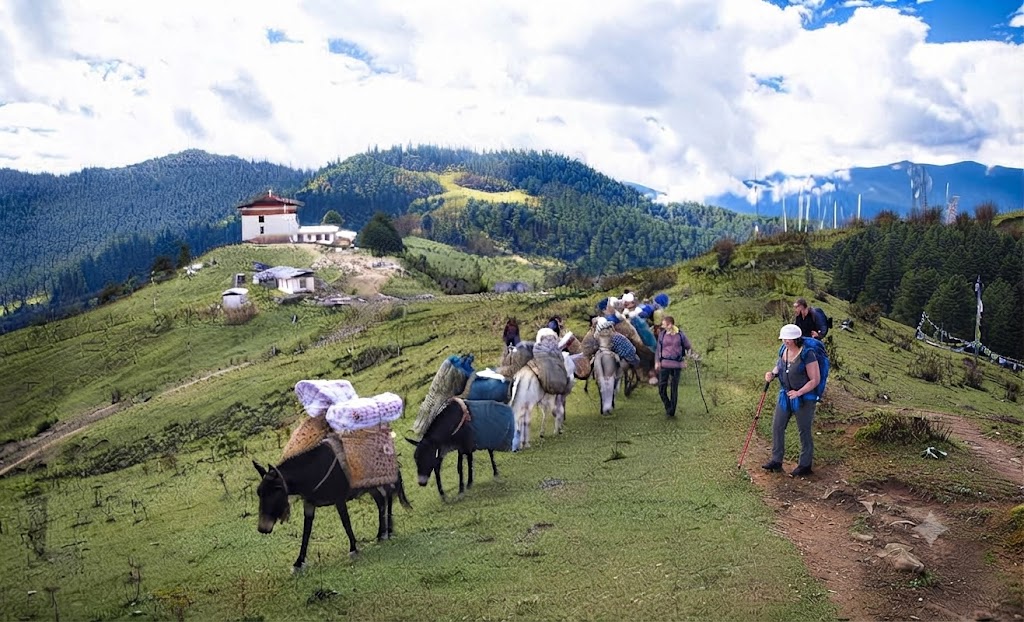
From colorful birds and butterflies to dramatic forest landscapes and flowing rivers, the park offers endless opportunities for nature photography.

River Exploration
Several rivers flow through the park, adding to its beauty and supporting a rich diversity of aquatic life. Scenic riverside walks provide excellent opportunities to relax and enjoy the surrounding wilderness.
Every activity in Royal Manas National Park encourages visitors to appreciate nature while respecting the delicate balance of its ecosystems, making it a perfect destination for responsible and sustainable travel.
Stories and Cultural Significance
Royal Manas National Park is more than a haven for wildlife—it is also deeply connected to the lives, traditions, and beliefs of the people living around it. For generations, local communities have depended on the surrounding forests for natural resources while respecting the environment through traditional conservation practices.
Many Bhutanese believe that forests, mountains, and rivers are home to protective spirits. This belief encourages people to treat nature with care and avoid harming wildlife unnecessarily. Even today, many sacred sites, prayer flags, and small temples can be found near forest trails, reflecting the close relationship between Buddhism and nature conservation.
Local festivals celebrated in nearby villages also showcase traditional music, dances, handicrafts, and customs that have been preserved for centuries. These cultural experiences allow visitors to gain a deeper understanding of Bhutan beyond its beautiful landscapes.
Past, Present, and Future
The Past
When Royal Manas National Park was first established in 1966, its primary goal was to protect Bhutan’s rich forests and wildlife from increasing threats such as habitat loss and illegal hunting. Over the years, conservation efforts expanded as scientists recognized the park’s exceptional biodiversity.
The Present
Today, Royal Manas National Park is one of Bhutan’s most important protected areas. Conservation teams, park rangers, researchers, and local communities work together to monitor wildlife, restore habitats, and educate visitors about responsible tourism.
The park also attracts eco-tourists, photographers, researchers, and birdwatchers from around the world, contributing to local livelihoods while promoting sustainable tourism.
The Future
The future of Royal Manas National Park depends on continued conservation and responsible travel. Bhutan remains committed to protecting its forests, reducing environmental impacts, and preserving biodiversity for future generations.
As interest in eco-tourism continues to grow, Royal Manas National Park is expected to become an even more important destination for travelers seeking authentic nature experiences without compromising environmental sustainability.
Educational Value
Royal Manas National Park is an excellent learning destination for students, researchers, and anyone interested in environmental science.
The park teaches visitors about:
- Biodiversity conservation
- Wildlife protection
- Climate change
- Forest ecosystems
- Sustainable tourism
- Community-based conservation
- Endangered species management
Schools and universities often use the park as a real-world example of how environmental protection and tourism can successfully coexist.
Fun Facts About Royal Manas National Park
Here are some fascinating facts about the park:
- It is Bhutan’s oldest national park.
- It shares an international conservation landscape with India’s Manas National Park.
- More than 360 bird species have been recorded here.
- The park is home to the endangered Golden Langur.
- It protects one of the richest subtropical forests in the Himalayas.
- Several major rivers flow through the park, supporting diverse ecosystems.
- It is considered one of Bhutan’s best destinations for wildlife photography.
- Royal Manas National Park plays an important role in Bhutan’s commitment to environmental conservation and carbon neutrality.
Additional Insights
One of the most remarkable aspects of Royal Manas National Park is how conservation and local communities work together. Instead of viewing wildlife as separate from daily life, nearby residents actively participate in protecting forests and promoting sustainable tourism.
Visitors who spend time in the park often discover that its greatest attraction isn’t just seeing rare animals—it’s experiencing the peaceful harmony between people and nature. This balance reflects Bhutan’s national philosophy of preserving both cultural heritage and the natural environment, making Royal Manas National Park a truly inspiring destination for travelers from around the world.
Frequently Asked Questions (FAQs)
Royal Manas National Park is located in southern Bhutan, along the border with the Indian state of Assam. It stretches across several districts, including Zhemgang, Sarpang, Pemagatshel, and Panbang, making it one of Bhutan’s largest protected areas.
The park is best known for its incredible biodiversity, dense subtropical forests, rare wildlife, and exceptional birdwatching opportunities. It is also Bhutan’s oldest national park and a key part of the country’s conservation efforts.
Visitors may encounter a wide variety of wildlife, including Bengal tigers, Asian elephants, clouded leopards, golden langurs, gaur, Himalayan black bears, sambar deer, and many other mammals. While wildlife sightings are never guaranteed, the park offers excellent opportunities for nature observation.
More than 360 bird species have been recorded in the park. These include hornbills, eagles, kingfishers, woodpeckers, barbets, and many migratory birds, making it one of Bhutan’s premier destinations for birdwatching.
The ideal time to visit is during spring (March to May) and autumn (September to November). These seasons offer pleasant weather, lush scenery, and excellent conditions for wildlife viewing, hiking, and photography.
Yes. Families who enjoy nature, wildlife, and outdoor activities can have a rewarding experience. Guided tours help visitors understand the park’s ecosystems while ensuring a safe and enjoyable visit.
Royal Manas National Park protects endangered wildlife, preserves valuable forest ecosystems, supports scientific research, and promotes sustainable tourism. It also serves as an important wildlife corridor connecting Bhutan and India.