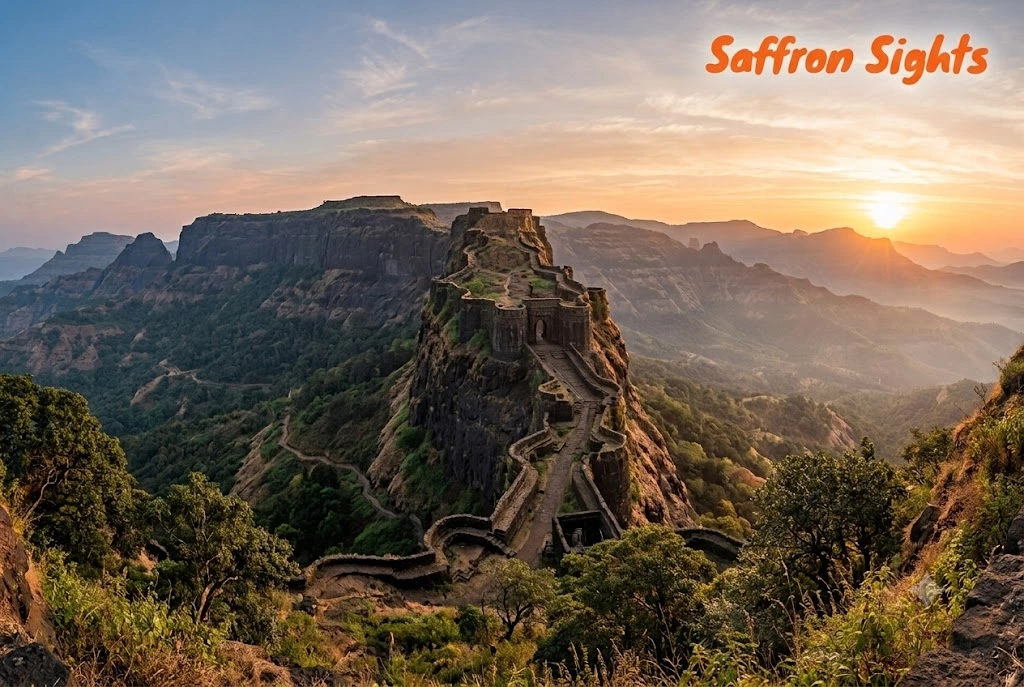
Annapurna Mountains have fascinated me for quite a while, as I have seen pictures of them dozens of times. However, seeing them on a screen was not enough for me, and I wanted to witness such beauty up close and personal, experience different adventures on the trail, absorb the mountain air, encounter local cultures and people, and learn what it feels like to be in the Himalayas for a couple of days. These reasons prompted my recent journey through the Annapurna Circuit Trek. I knew it would be more than an adventure for me, and I wondered if I could manage the challenges of exploring it, but the opportunity to free myself from the routine and experience something new was too attractive to pass up.
Annapurna Circuit Trek offers a great variety of landscapes, from communities and wildlife to breathtaking views that no camera could capture. The Annapurna Conservation Area, opened in 1986 and officially declared as the nation’s first conservation area in 1992, is a home to more than 100,000 people speaking different languages whose population density varies from region to region (National Trust for Nature Conservation, 1992). Nonetheless, the area and its cultural, geographical, and ecological diversity appeared to gain much more significance to me as I journeyed through it. Indeed, I had come to see the mountains, but I realized that the local people, challenges, simple food, weather changes, and unforgettable experiences could become a major part of my journey.
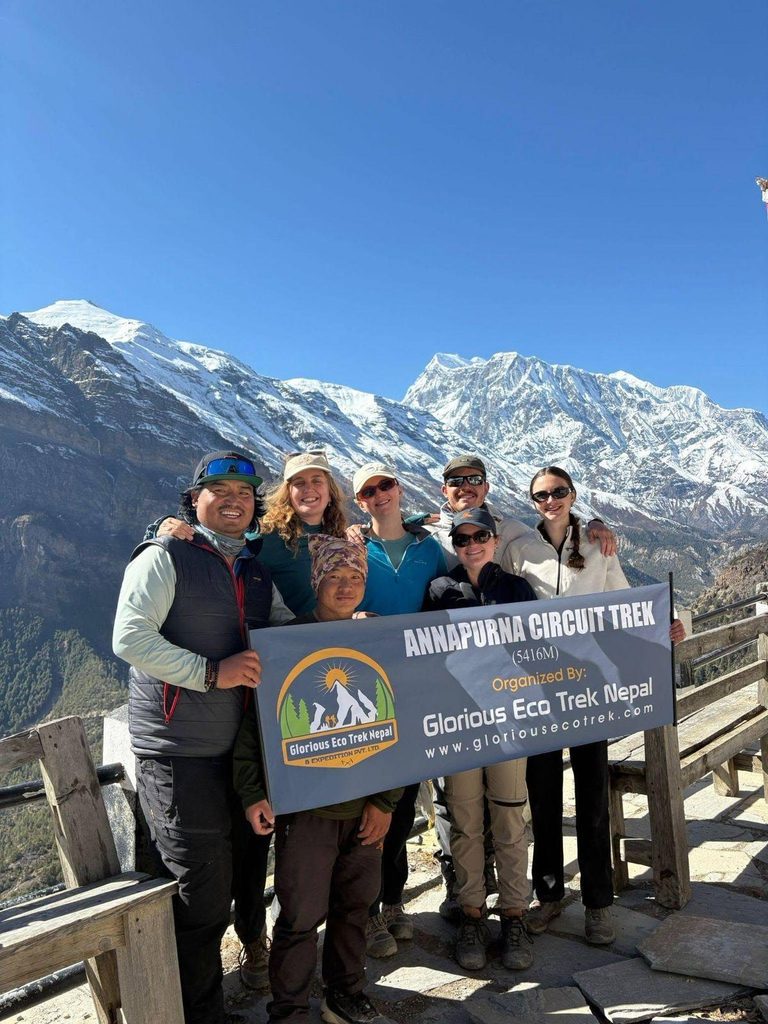
What are the most compelling reasons to trek the Annapurna Circuit?
The motivation to start the journey and continue it through all the challenges was the understanding that the trail offered a vast variety of landscapes and cultures. As I traveled through the valley, I could not believe my eyes seeing how different it looked compared to where I saw the sunrise. Although I had expected to see mountains covered in snow and admire their beauty, they appeared more majestic and mysterious with every step I made. Moreover, the trail allowed me to observe my surroundings, as I had never done that in the city or even on weekend hikes with my family. I think that, in addition to the mountain vista, the chance to see various landscapes and get immersed into a completely different world attracted most of the people who decided to make their way through the Annapurna Circuit Trek.
Another significant reason to trek the Annapurna Circuit lies in its biodiversity, which, according to the National Trust for Nature Conservation, reflects the ecological, cultural, and geographical diversity of Nepal’s richest protected area. The Kali Gandaki valley, mountain geography, and communities of people living there have become a unique combination that enriched my journey and contributed to the unforgettable experience. When I walked through the trail, these factors did not appear to affect me subconsciously; instead, I deliberately felt the changes, realizing that no words could describe the beauty of the Annapurna region and the village lifestyle.
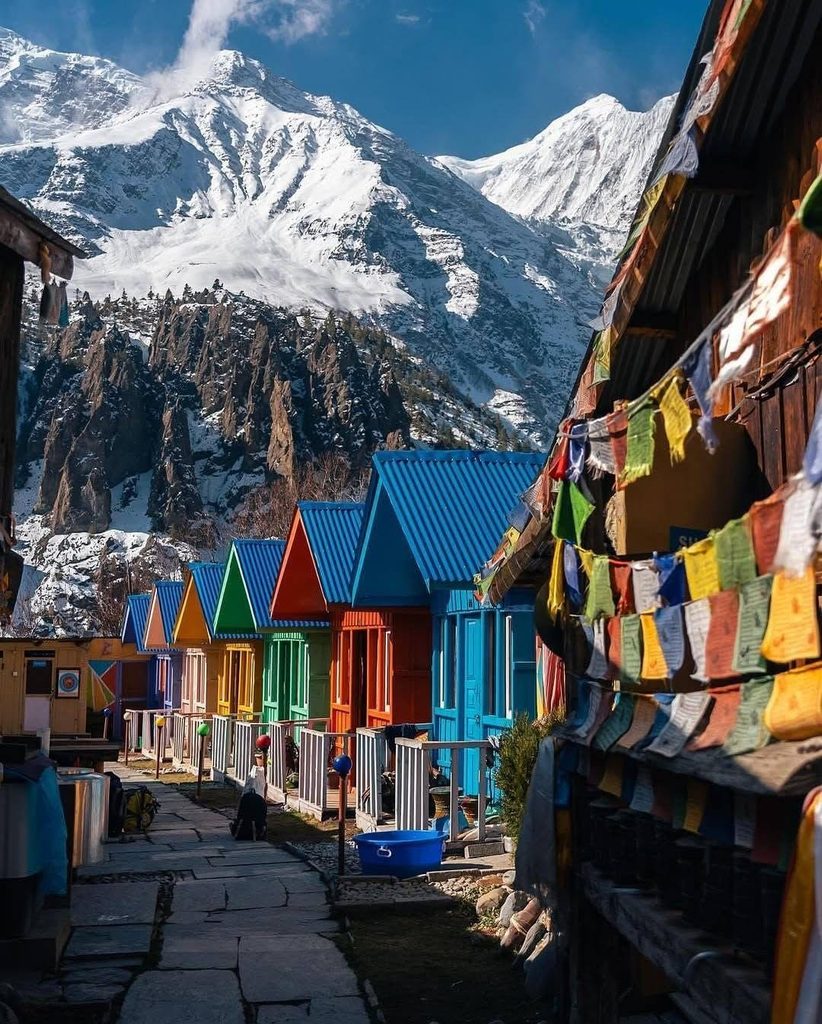
Annapurna Circuit Trek: What lies beneath the story and conservation significance?
Unlike any particular landmark that could be considered as the sole creator or discoverer of the trail, the Annapurna Circuit’s story and its conservation lie in the thousands of residents and tourists who have been enjoying the views and nature for years. The region and the route that connects mountainous communities through historic trade and trekking routes symbolize the connection between nature and human-made culture. As I walked through the trail, I thought about the locals’ stories and realized how valuable the Annapurna Conservation Area was for everyone, including the local people, who adhered to the principles of nature-friendly living.
The conservation area, established in 1986 and officially opened in 1992, is a perfect example of how the government and the community can work together for the benefit of nature and the people. With the growing awareness of the region’s cultural and ecological significance, a community-based approach has become an essential part of Annapurna Conservation. Therefore, the local community is highly involved in conservation activities, which, in turn, have become a major part of residents’ lives. This collaboration has improved the area’s sustainability and attractiveness to tourists, and I realized that my contribution as a visitor could make a difference as well.
Annapurna Circuit Trek and local community: How are they connected?
The connection between the local community and the trail has always been a curious experience for me. When I walked through the circuit and saw people in the mountains, I thought about the opportunities that trekking had created for the locals, including better access to education and healthcare. I enjoyed communicating with the locals and listening to their life stories and concerns on different topics, from climate change to wildlife conservation. As a traveler, I was impressed by the way the locals lived among the mountains and cherished their village lifestyle, and I wanted to share these values through my journey. In fact, I learned that the local people made the trek more meaningful, and I could not imagine myself trekking through the Annapurna Circuit without interacting with its residents.
The community-based conservation model that guarantees active participation in decision-making, implementation, and monitoring has been an inspiration for my journey as well. The Annapurna Conservation Area had become an inseparable part of the local community and a model for sustainable tourism practices, which I valued greatly. As I saw the mountains covered in snow and enjoyed the mountain views, I realized that the natural beauty of the region would not be so attractive without the local people. They are those who make hiking an adventurous yet culturally enriching experience, and my intention to contribute to their livelihood and conservation efforts increased with every step I took.
My first days on the Annapurna Circuit Trek: Exploring the valley and mountains
My first days in the circuit have been eventful; I remember how amazed I was about the beauty of the valley and mountains when I first saw them. Everything was unfamiliar, and I felt a rush of adrenaline running through my body as I saw a sight that few people could see. I felt so lucky to witness such a beautiful view. At that moment, I thought about how different my life had been if I did not make this decision. As I traveled through the valley, I realized that my routine, which I thought defined me, was not that significant. The mountains became my priority, and all I needed to focus on was the path ahead and the challenges it would bring. Notably, I could stop and look at the mountains, and an array of emotions would overwhelm me.
Although I had seen them in pictures, the actual view was nothing like I had ever experienced.I felt small, but it was a good sensation because, for the first time in a while, I was totally present. The mountains calmed down my other worries and thoughts and I started to comprehend why I actually wanted to come here. I was still scared of the days to come but my fear had transformed into excitement. I knew that the journey would not be easy, but I embraced it with all my heart. To me, this was when my journey had begun, not when I set foot on the trail. It was when I stopped thinking about everything else and just existed in these mountains.
The trail taught me that trekking is different from just walking
The mountains were beautiful but they did not give any mercy. As I walked for hours, I felt so tired and just wanted to sit and rest for a while. Sometimes I would look at the trail ahead and wonder how many more hours I would have to walk. The excitement of being here was not enough to compensate for the fatigue that I was feeling. Now that I think about it, the trail taught me to be patient. Every time I felt like I could not go on, I would observe my surroundings instead of thinking about how much more I had to walk. Observing the mountains, the rivers, the forests, the villages, and the people made me realize why I was here in the first place
The most crucial lesson the trail taught me was about not thinking of the whole trek in one go. If you think about all the long and tiring days you have to walk, you will not be able to start. Instead, think of the next step or the next day and tell yourself that whatever happens, you will walk one step at a time. That was one of the most important lessons I learned from this trek. I realized that sometimes, we do not have to tackle the whole thing at once. I think this is something most of us can apply in our lives because there are times when we feel like we have too much on our plate. If we think about everything at once, it may feel too overwhelming. But if we just think about what we can do right now, we will be able to get through it somehow.
As I climbed higher and higher, the trail taught me to listen to my body
I realized that I could not treat this trek like any other walk. My body needed rest, and I had to respect that. I also learned to pace myself because everyone walks at a different speed. I was not used to high altitude trekking, so I had to slow myself down. In the beginning, I would feel so energetic that I would feel like running but I would restrain myself. I had to acknowledge the fact that I needed rest sometimes, and it was okay. The mountains taught me to respect my own limits instead of pushing myself too hard.
I think this was also one of the most important lessons that I carried with me even after I got back. We all feel like we have to keep going no matter what, even when our body is telling us otherwise. But some of us forget that rest is necessary sometimes because we feel like we are being lazy. When we push ourselves too hard, we feel more stressed and sometimes we may even suffer long-term damage. This was also something I realized from Annapurna Circuit Trek. For us to move forward, we sometimes need to stop and take a breath. I realized that my body could not keep going if I did not take proper rest. So, as an advice to fellow trekkers, I would say not to underestimate high altitude trekking. Listen to your body, pace yourself, and do not compare yourself to others.
The trail also taught me to accept the things that are out of my control like the weather
I would imagine that every single day I wake up here in Annapurna would be a sunny day with beautiful mountain views. But as I got used to the trails, I realized that the mountains had their own plans. I would feel so disappointed if I woke up to cloudy skies because I wanted to take pictures of the mountain peaks. Sometimes the views were just as beautiful even if the weather was not clear. I remember that I would get frustrated every time the weather did not cooperate with me. But I soon learned to embrace what the mountains gave me instead of worrying about the clouds. The mountains taught me to accept that some things are just out of my control and I should not waste my energy trying to change them.
I think this was one of the most crucial lessons that I learned from this trek. The truth is, we cannot control everything but we can decide how we are going to deal with the things we cannot change. In some ways, I guess the mountains were testing me to see if I would give up on them because of the bad weather. Sometimes the trails were long and exhausting, but I just had to keep going. It may have been frustrating, but it was one of the most memorable parts of my journey. That also taught me that sometimes the things that did not go as planned can sometimes turn out to be the best parts of our lives.
The simple food and tea I ate here, as well as the beautiful views and relaxing moments, will always be special to me.
I think one of the things I enjoyed the most here in Annapurna was the simple meals I ate. When I was tired and hungry, I did not think about what I wanted to eat. I just thought about how much I had to walk that day and how much energy I needed to gain to keep going. I would eat simple foods that tasted amazing because I was so hungry. But what made the most difference was that I had earned it with my own hands. The feeling of sitting down to eat after a long and tiring day was indescribable. It made me realize how blessed I was to be able to go on this trek. It made me realize that we often take the simple things in life for granted because we are too busy to notice them.
The same was true for drinking tea. At home, drinking tea is relaxing but simple. But here in the mountains, a warm cup of tea after a long day was all I needed to feel refreshed. I would drink it and I would watch my surroundings and feel so grateful for this amazing opportunity. I think some of my favorite memories from this trek involve these little things. The simple meals, the relaxing views, and the lovely conversations I got to have with the locals. The trail showed me that life does not need to be extravagant to be beautiful. Sometimes, all we need are the little things in life that bring us joy and make us feel blessed.
Reaching Thorong La was one of the most satisfying experiences of my life
I think one of the most fulfilling moments of my life was when I reached Thorong La. But that was not the only satisfying moment of my trek. I think one of the things that made me love this trail so much was that it was not only the beautiful sights that made me feel fulfilled. It was also the long days of walking that kept me determined. It was the moments when I asked myself if I would be able to keep going but decided not to give up anyway. It was the tiring days that made me feel accomplished when I finally rested. But mostly, it was the wonderful views of the mountain peaks that reminded me why I fell in love with trekking in the first place.
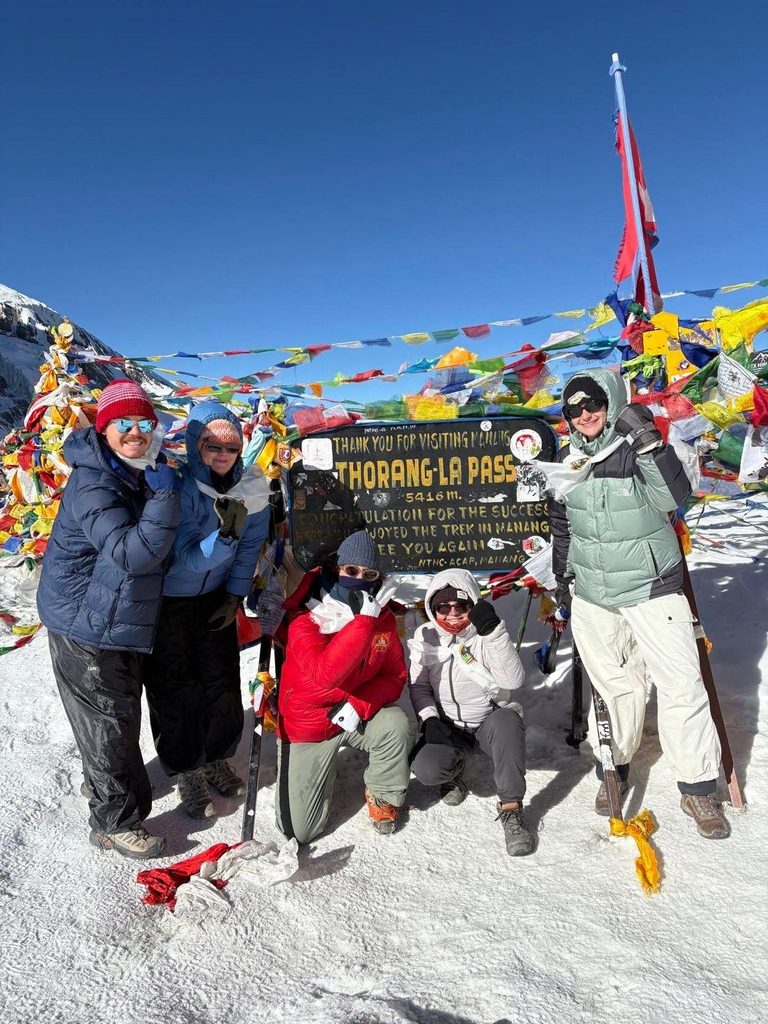
When I reached Thorong La, the most difficult part of my trek, I was overwhelmed by emotions. I was tired but I was also very happy for myself. I thought about all the days I had walked to get there and how much effort it had taken me. I was surprised by how tiring and exhausted I felt but I did not care. I just looked at the beautiful mountain views and I felt so grateful for this amazing experience. The mountains made me feel small but they also made me feel grateful for being able to see them. I think in the end, the trail made me realize that most of the times, I was not walking for the beautiful sights but for myself.
The Annapurna Circuit Trek changed my perception of travel forever
Before Annapurna Circuit Trek, I used to think of travel in terms of destinations. I cared mostly about where I was going and what I was going to see. But that changed when I went on this amazing journey across the Himalayas. The trail taught me that sometimes the journey can be more important than the destination. I cared about the people I met along the way almost as much as the beautiful mountain views. I think if I only saw pictures of the Annapurna mountains, I would have been content. But it was the trails, the long and tiring hikes, the wonderful conversations, the amazing food, the relaxing moments, and the unforgettable experiences that made me love this place so much.
The trail made me realize that I should cherish the journey more than the endpoints. The experiences I had along the way made me love traveling even more than before. I think for most of us, the things we perceive as memories when we visit a new place are more significant than the actual sightseeing. Annapurna Circuit Trek was the most significant travel experience of my life because it taught me to love the journey as much as the destination.
The Annapurna Circuit Trek created many beautiful memories for me
I think some of the most precious moments I got to experience on this trek were the beautiful conversations I had with the people I met. Some of them will forever remain special in my heart because they made a difference in my journey. When I did not know what else to do because I was bored or tired, I would sit and talk to the people I met. I would listen to their stories and they would comfort me by telling me that it was all going to be okay. In a way, those were the most valuable experiences because I think they shaped how I dealt with the other parts of my trek. I also learned the importance of engaging with people when I visited this beautiful region. When I talk about the Annapurna Circuit Trek, I realize that some of the most precious things I experienced were simple conversations with strangers. Different people had different reasons for being here in the mountains. But I think they all found a way to make this trek more memorable for me.
When I think about my experiences on this trail, I do not only think about the beautiful mountain vistas. I think about the long walks, the tea, the simple meals, the conversations with the locals, the weather, the peaceful mornings, and the tiring nights. I think about all those little things that made this trek so special to me. I think those are the things that I perceive as my most lasting memories. I also think about the little things in life that made me feel blessed. In some ways, I feel that I learned the most important lesson from this trek. The lesson about how the most ordinary things in life can become the most extraordinary things in our lives.
The Annapurna Circuit Trek gave me beautiful opportunities to learn and grow
The Annapurna Circuit Trek is one of the most fulfilling travel experiences that I have had in my life. I think it is one of the most beautiful places on earth because of the beautiful landscapes, the amazing people, the lovely conversations, the wonderful food, and the unforgettable moments. I think most of us find meaning in different things when we visit a new place. Some of us value destinations while others appreciate the journey. I think I learned to cherish both the destinations and the journeys when I went on this trek. I think the most valuable things I got to experience on this trail were the little moments of life that made me love the journey. It was when I realized that I was not only here to see the amazing sights but to experience life.
I think the most important thing I learned from the Annapurna Circuit Trek was about how different people can value different things when they visit a new destination. It was about how different people can perceive the same thing in different ways. I think the beautiful conversations I had with the locals gave me some of my most precious travel memories. It was when I learned to appreciate the journey that I fell in love with traveling even more. I think I learned to value my own travel experiences more when I realized that my perceptions of the places I visited were different from other people.
The Annapurna Circuit Trek: Past, Present, and Future
Annapurna region has been evolving for the past years due to its conservation and tourism activities. Annapurna Conservation Area Project (ACAP) was initiated in 1986 with a goal to promote conservation and integrated development in the region. The area was declared as Nepal’s first conservation area in 1992. Currently, the Annapurna Conservation Area is an important tourist destination that provides a wide range of tourism services while ensuring the preservation of the region’s biodiversity, conservation areas, and communities. National Trust for Nature Conservation (NTNC) continues to lead the conservation and sustainable development initiatives in the Annapurna region.
In the future, the Annapurna region will continue to provide its services for the conservation of the area and the promotion of sustainable mountain tourism. I think it is important for trekkers and tourists like me to learn and respect the area’s significance to the local communities. I hope to promote the value of Annapurna region as a conservation area that is worth sustaining for future generations of conservationists and tourists. I think it is crucial for us to understand the importance of conservation in relation to the community. My experiences in Annapurna Circuit Trek made me even more aware of the significance of community-based tourism and conservation. It was an eye-opening experience for me because I learned to appreciate the region even more.
Education and Interesting Facts about Annapurna
The Annapurna Conservation Area provides a great opportunity for students and travelers to learn about Annapurna region’s biodiversity, culture, community-based tourism, and conservation. Annapurna Conservation Area covers an extensive region with rich biodiversity that includes a wide range of ecosystems. According to NTNC, the conservation area supports the habitats for rare and endangered species, including the snow leopard. Annapurna Conservation Area also has the Kali Gandaki valley as a geologically unique area that contains Paleozoic marine fossils. Annapurna Conservation Area Project has also documented the area’s diverse plant life through recent NTNC-supported research. This region will also provide a great opportunity for travelers and students who are interested in ecology, geography, sociology, tourism, and other related fields.
I think the most interesting thing about the Annapurna region is how it demonstrates the concept of conservation with the involvement of the local communities. The Annapurna region is a great example of a conservation area that promotes sustainable development and community-based tourism. For me, it was an exciting opportunity to witness a successful model of conservation and tourism. I think the knowledge that I gained about this region will be important for my future studies and career in relation to sustainable development, biodiversity conservation, and community-based tourism.
What I would do differently before the Annapurna Circuit Trek again
If I did the Annapurna Circuit Trek again, I would prepare properly. I think it is always important to know what to pack because carrying unnecessary things can be very burdensome when you have to carry them on your back for a long time. I also wish I would have been more prepared for some of the tiring days because not every day will be as exciting as you hope it would be. You have to be determined to complete the trek no matter what. I also wish I would have paid more attention to the altitude.
I think it is very important to listen to your body and take proper rest when you need to. You should also remind yourself that everyone has different capacities so you should not compare yourself to others. Lastly, I wish I would have known more things about the trek before I started. It is always important to gather as much information as you can about the Annapurna Circuit Trek before you start. Most importantly, I wish I would have set aside time for the unforgettable little things because some of my favorite parts of the trek were the simple things in life.
FAQs about the Annapurna Circuit Trek
The Annapurna Circuit Trek is an amazing adventure that involves long hikes while exploring the beautiful landscapes and diverse cultures of the Annapurna region in Nepal. The trail involves visiting remote mountain villages and taking in the beautiful mountain vistas. I personally found the Annapurna Circuit Trek to be more than just the beautiful sights because I valued the long hikes and the wonderful experiences I had along the way.
The Annapurna region is worth exploring because it is a conservation area with diverse landscapes and amazing local cultures. Annapurna Conservation Area is home to diverse species of wildlife, beautiful landscapes, and local communities that are willing to support conservation and sustainable tourism initiatives.
To me, the most fulfilling part of the Annapurna Circuit Trek was reaching Thorong La. But I also loved the little moments I had on the trail, including having tea and simple meals after a long day of hiking, having lovely conversations with people, and enjoying the mountain vistas. I think the most amazing parts of the trek were different for everyone because we all valued different things on the trail.
Yes, the Annapurna Circuit Trek can be very challenging because of the long hikes and high altitude. From my own experience, I can say that it is important to be prepared and take proper rest. You should listen to your body and not push yourself too hard as everyone has their own limits. You should also consider the altitude and be extra careful about it. But overall, if you are determined and willing to put in the hard work, you will be amazed by the beautiful sights you will see.
Travelers should remember that the Annapurna region is not just another destination. It is a home for many people and wildlife. We should all be reminded that we should respect and protect the places we visit because we are only temporary visitors in this world.